When Water Damage Turns Urgent: What Emergency Mold Removal Really Means
@getemergencymoldremovalstore
October 12, 2026 · 8 min read
I have been inside a lot of buildings in Massachusetts where the smell hits you before you even step through the door. That damp, earthy odor that says mold has already taken hold. Most of the time it is a slow problem - a leaky pipe behind a wall, a basement that never quite dries out. But sometimes it is not slow. Sometimes it is a crisis that needs immediate action. That is when you start talking about emergency mold removal.
There is a difference between routine mold remediation and an emergency response. Routine work can wait a day or two. Emergency work cannot. If a pipe bursts and floods the first floor of a home in Boston, you have about 24 to 48 hours before mold starts colonizing the wet materials. That timeline is not theoretical. I have seen it happen in real time. One day there is standing water. The next day there is black mold starting to form on the baseboards. By the third day the spores have moved into the HVAC system. That is the kind of situation where emergency mold removal stops being optional and becomes the only safe way forward.
What Defines an Emergency
Not every mold problem qualifies as an emergency. A patch of mildew in the shower is a cleaning task, not a crisis. But when a building has experienced significant water intrusion - from a flood, a sewage backup, a fire that was put out with sprinklers, or a storm that blew a hole in the roof - the conditions are right for rapid mold growth. In those cases the clock starts ticking immediately.
Emergency mold removal is different from standard remediation in a few key ways. First, the response time is measured in hours, not days. Second, the scope of work often includes drying out the structure itself, not just removing visible mold. Third, the containment procedures have to be more aggressive because the contamination is still spreading while you work. And fourth, the team needs to coordinate with other trades - water restoration crews, plumbers, sometimes structural engineers - because the mold is only part of the problem.
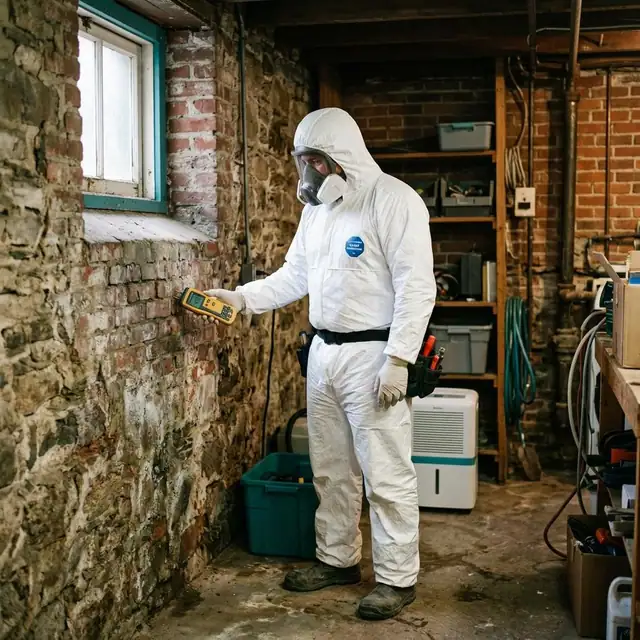
I worked on a job once in Nashoba where a frozen pipe had burst in a crawlspace and nobody discovered it for almost a week. By the time we got there the subfloor was saturated and the joists were covered in a thick layer of black mold. The homeowner had tried to dry it with fans and a dehumidifier, but that only addressed the surface moisture. The mold had already penetrated into the fiberglass insulation and was starting to spread up the wall cavities. We had to cut out large sections of drywall, remove all the wet insulation, and set up negative air pressure with HEPA vacuums running continuously. It was a full emergency response.
The Role of Certified Professionals
One thing I have learned is that emergency mold removal is not a DIY job. When the situation is urgent, people panic. They grab bleach or peroxide and start scrubbing. That can actually make things worse. Scrubbing active mold without proper containment releases spores into the air. Then those spores settle somewhere else and start new colonies. You end up with more mold than you started with, just relocated.
Certified mold inspectors play a critical role in these situations. They are the ones who assess the extent of the contamination, determine the type of mold present, and draw up a scope of work. In Massachusetts, the regulations around mold remediation are not as strict as they are for lead paint or asbestos, but that does not mean you should skip the professional step. If the property is being handled by an insurance company - and most emergency situations are - they will often require a remediation plan from a certified inspector before they release funds for the work.
The IICRC has established standards for water damage restoration and mold remediation. A lot of reputable companies, including large franchises like SERVPRO, follow those standards. But even within that framework, every emergency is different. You have to make judgment calls. Do you tear out the carpet or can it be cleaned? Do you need to replace the drywall or can it be dried and treated? The answers depend on how long the material has been wet, what kind of water caused the damage, and whether there are other hazards like asbestos or lead paint in the building materials.
Health and Safety Considerations
Mold is not just a structural problem. It is a health problem. For people with asthma, allergies, or compromised immune systems, exposure to mold spores can trigger serious reactions. Black mold, in particular, produces mycotoxins that can cause respiratory issues, headaches, and fatigue. In an emergency situation where mold is growing rapidly, the airborne spore count can spike quickly.
OSHA has guidelines for mold remediation that specify what level of personal protective equipment is required based on the size of the affected area. For small patches, an N95 respirator and gloves might be enough. For larger areas, you need full-face respirators, Tyvek suits, and eye protection. And if there is any chance the building contains asbestos or lead paint - which is common in older Boston properties - you need additional certifications and containment procedures before you even start cutting into walls.
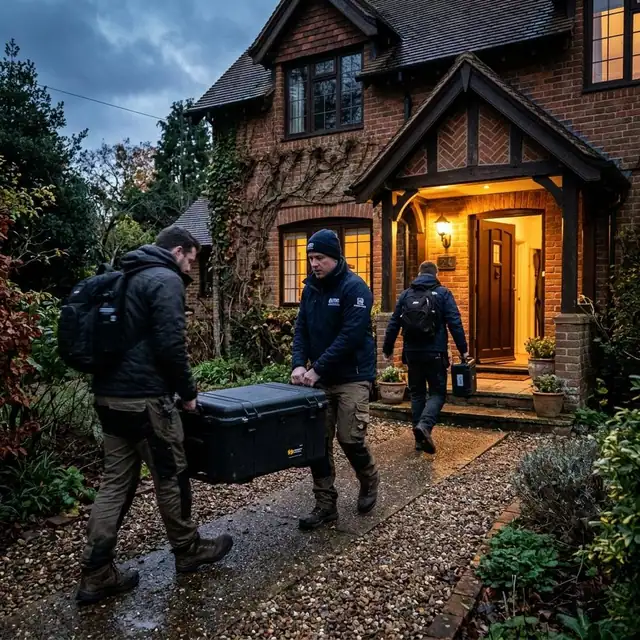
I remember a job in a pre-war building in Cambridge where the emergency mold removal turned into a much bigger project because the ceiling tiles contained asbestos. The water damage had caused the tiles to sag and crumble, and the mold was growing on the backing material. We had to stop work immediately and bring in an asbestos abatement crew before we could proceed. That added two days to the timeline, but there was no safe way around it. The lesson is that emergency mold removal is never just about the mold. It is about understanding everything else that is in the building.
The Practical Steps
When a property owner calls for emergency mold removal, the process follows a general sequence. First, the water source has to be stopped and the area dried out. That usually means extracting standing water, setting up industrial dehumidifiers and air movers, and monitoring moisture levels in the building materials. Second, the affected materials are removed or treated. Porous materials like drywall, carpet, and insulation almost always have to be cut out and replaced. Non-porous surfaces like concrete and tile can often be cleaned and sealed. Third, the area is HEPA vacuumed to capture any spores that have settled on surfaces. Fourth, a mold testing company might be brought in to verify that the air quality has returned to normal before the space is reoccupied.
I have seen cases where people skip the testing step because they are in a hurry to move back in. That is a mistake. Mold testing provides objective data. It tells you whether the remediation was successful or whether there are still hidden pockets of contamination. In some situations, especially when children or elderly people are involved, the extra cost of testing is worth the peace of mind.
One thing I always tell homeowners is that prevention is cheaper than emergency response. A dehumidifier running in the basement during humid months can keep relative humidity below 60 percent, which inhibits mold growth. Fixing leaky plumbing right away, cleaning gutters, and ensuring proper drainage around the foundation all reduce the risk of a sudden mold crisis. But when prevention fails, and it does fail sometimes, you need a team that can respond fast and do the job right.
Why Experience Matters
Emergency mold removal is not a job for someone who learned the trade from watching online videos. It requires knowledge of building science, an understanding of how moisture moves through different materials, and the ability to work under pressure. A good crew knows when to use a HEPA vacuum versus a shop vac, when to apply a sealant versus replacing materials, and how to set up containment barriers so that the mold does not spread to the rest of the house while they are working.
The EPA publishes a guide called "Mold Remediation in Schools and Commercial Buildings" that is a solid reference for the basics. But real-world situations are messier than any guide. You have to make decisions on the fly. Is it safe to use bleach on this surface? (Usually no - bleach does not penetrate porous surfaces and can actually feed some types of mold.) Should we use peroxide instead? (Yes, for some non-porous surfaces, but it has to be left on long enough to work.) Every material and every situation calls for a different approach.
In the end, emergency mold removal is about acting decisively without cutting corners. The worst thing you can do in an emergency is to rush through the work and leave mold behind. That just guarantees a second emergency down the road. The best approach is to stabilize the building, remove the contaminated materials safely, and then take the time to dry everything out completely before rebuilding. That is what separates a quick fix from a real solution.